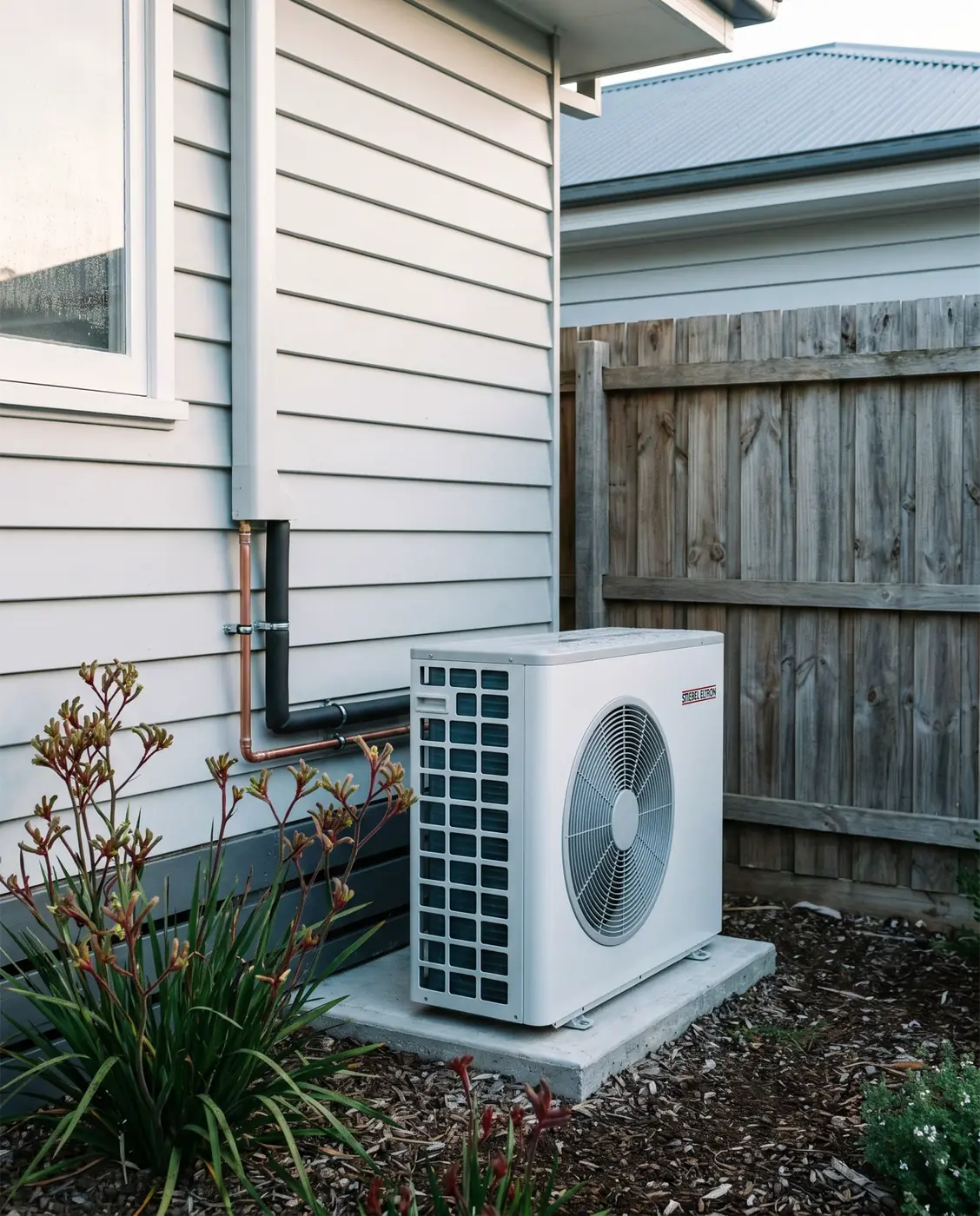
With about 404 people per square kilometre, Park Orchards homes often run on tank water, and pump pressure interacts with hot water performance in ways worth checking. At roughly 134 metres, Park Orchards sits on the rise east of the city. Mildly cooler than the flats, which affects the efficiency figure but not the decision.
Being around 25 kilometres from the city, Park Orchards has modern switchboards, which removes the most common obstacle to an electric changeover. Park Orchards is split between Manningham and Maroondah. Neither is involved in a hot water replacement, though the correct address matters on a rebate form.
We work across Donvale, Nunawading and Ringwood North on the same trip, and Park Orchards sits in the middle of that loop. 3835 residents at the 2021 census, about 9.5 square kilometres, postcode 3114: that is the scale of Park Orchards within Manningham.
A note on how Park Orchards developed: In 1925, South Melbourne timber merchants, Australias Sharp and John Taylor, purchased Petty's land and launched the Park Orchards Country Club Estate. It predicts where the hot water service was originally put. The area we cover around Park Orchards runs through Donvale, Nunawading, Ringwood North and Warrandyte, and a booking in any of them is treated the same way.
We work out of Boronia, about 11.3 kilometres north-west from Park Orchards. No travel charge, no minimum call-out to justify the drive. Another piece of background on the suburb: At the 2021 census, Park Orchards recorded a population of 3,835.
It is also worth knowing that == History ==
In 1902, prominent Victorian orchardist, Tom Petty, purchased 559 acres (226 ha) of land north of the Mitcham district and converted it to 80 orchard blocks.