
Belgrave sits near 950 people per square kilometre, which means generous blocks and often a long way between the switchboard and wherever the outdoor unit needs to sit. Because Belgrave sits about 200 metres above sea level, the shoulder seasons are short and the heating season is long. We size to that, not to a brochure.
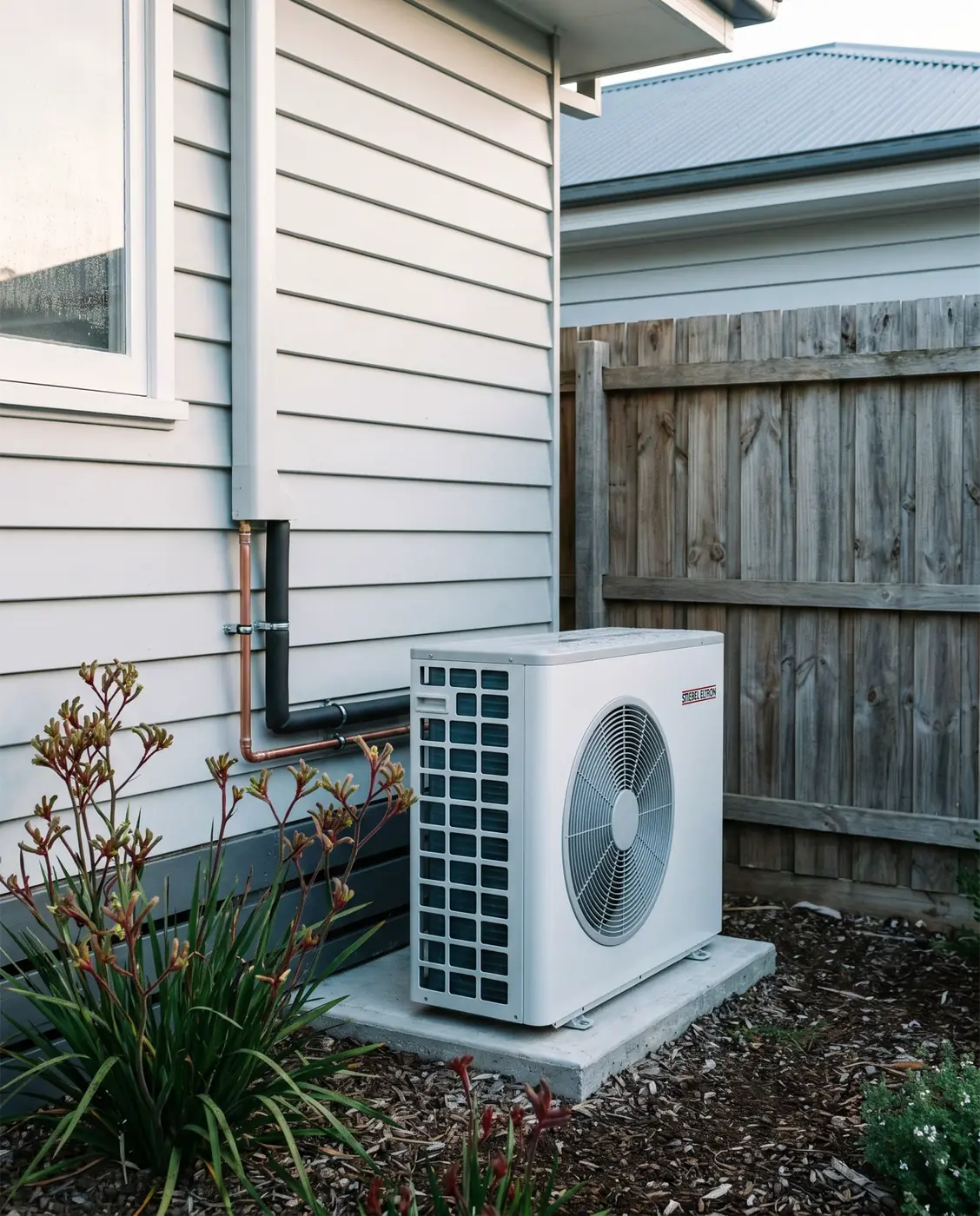
Belgrave is 36 kilometres from town. Out this far the homes are bigger, the zones are more numerous, and the difference between a sized system and a guessed one is a whole quarter of running cost. Because Belgrave is in Yarra Ranges, any work that changes the external appearance of a protected building goes through that council before it goes on the wall. We check the overlay before we quote a wall-mounted condenser.
Being next to Belgrave Heights and Belgrave South means Belgrave is almost never a standalone trip for our crew. Postcode 3160, about 4.1 square kilometres, 3894 residents at the 2021 census: that is the shape of Belgrave inside Yarra Ranges.
Some local context that matters on site: === Puffing Billy Railway ===
Belgrave's most notable attraction is the heritage narrow gauge, steam-operated Puffing Billy Railway, which was reopened in 1962—after four years of restoration by volunteers—and travels through 24 kilometres (15 mi) of cool temperate rainforest, semi-urban development and rural farmland to Gembrook. The era a suburb filled in tells you a lot about what the switchboard will look like when we open it. The area we cover around Belgrave runs through Belgrave Heights, Belgrave South, Kallista and Selby, and a booking in any of them is treated the same way.
Our Boronia workshop is about 8.3 kilometres south-east of Belgrave, which keeps both the response time and the price honest. The suburb has Belgrave railway station, and in Melbourne a station is usually the oldest point of a suburb with newer housing spreading out from it.
For context on the older parts of the suburb: Though originally the area was known as "Monbulk" for the reservoir that lay near by, the town wasn't known as Belgrave until December 1904 when the railway station was renamed, and another suggested name for the town at that stage was Glassford.